Get in touch: 410-505-8079
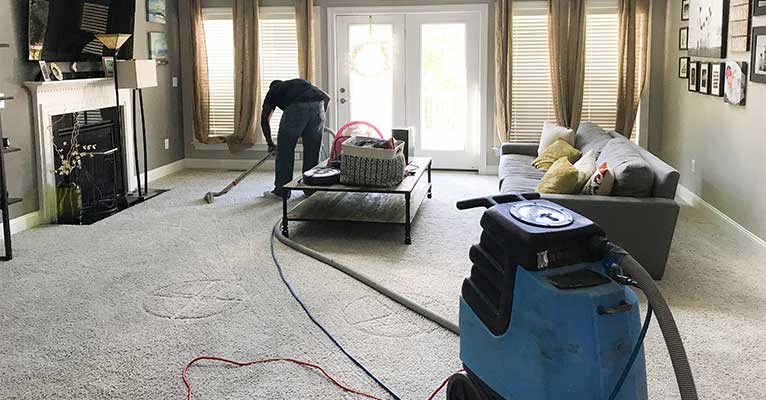

In Baltimore rowhomes, carpet can tell us quite a bit before a homeowner says what has been bothering them.
We see it in front hallways where shoes bring in street soil, in living rooms where children and pets spend much of their day, and in bedrooms where dust can settle into carpet for years. The season changes the story too. Spring brings pollen indoors. Winter keeps windows closed for longer periods. Summer humidity can make lower-level rooms harder to keep fresh.

Health concerns come up in our conversations with Baltimore Carpet & Upholstery customers. Someone may notice more sneezing near a bedroom carpet. A parent may be concerned about dust where a child plays. A lower-level room may have a stale smell even though the carpet looks reasonably clean from across the room.
Those observations do not prove that carpet caused a health problem. Allergies, asthma, ventilation, humidity, pets, outdoor pollen, HVAC filtration and other household conditions can play a part in indoor symptoms. Our part is more specific: we clean the carpet and remove accumulated dust, soil, pollen and everyday debris from the fibers.
 Ask for Special Seasonal Offers
Baltimore rowhomes have their own cleaning patterns.
Many have compact floor plans with busy stairways, lower-level rooms and spaces that serve several purposes during the day. A single carpeted route can receive a great deal of foot traffic, particularly around the front entrance, stairs and main living areas. By the time the carpet looks noticeably dirty, soil may already be sitting deeper in the pile.
The pattern we see most often is accumulation rather than one unusual contaminant.
Dust, outdoor soil, pollen, pet dander, food particles and other household debris settle into carpet and upholstery. Some of it can be seen during a routine inspection. A good deal of it remains below the surface.
A Baltimore study found mouse allergen in settled dust from every child's bedroom included in the study, with airborne mouse allergen detected in 84% of bedrooms that had air samples available. This study does not show that a specific carpet caused someone's symptoms. It does show why dust and other indoor exposures deserve attention in Baltimore homes.
Most health-related conversations we have are about irritation rather than a serious medical problem. Questions about specific childhood illnesses can be more complicated, and what the research says about carpet cleaning and Kawasaki disease is worth looking at separately.
Customers may mention:
Carpet can be one part of that indoor environment. For a homeowner, the practical question is usually how much material has collected in the carpet and what can be removed during professional cleaning.
| What a homeowner notices | Other areas worth checking |
|---|---|
| Sneezing or a stuffy nose | Seasonal pollen, household dust, pets and HVAC filtration |
| A musty or stale room | Moisture, ventilation and lower-level conditions |
| Pet-related irritation | Dander on carpet, furniture and other household surfaces |
| A child bothered by dust | Bedroom dust, bedding, floor-level surfaces and carpet |
| An odor that returns quickly | Moisture, pet activity and material deeper in the carpet |
Baltimore homes change with the weather, and the carpet reflects some of those changes.
In spring, pollen comes inside on shoes, clothing and pets. Summer brings higher humidity, with lower-level rooms sometimes showing the effects more clearly. During winter, windows stay closed more frequently and the home's ventilation and filtration systems do more of the work.
Research on indoor allergens has found seasonal differences in allergen levels, with housing characteristics influencing what can accumulate inside a home.
A carpet that seemed perfectly manageable in November may become part of a homeowner's concerns in April. The carpet did not suddenly become dirty overnight. The conditions around it changed.
A larger suburban house can spread daily foot traffic across a number of rooms. In a Baltimore rowhome, the same hallway, staircase and living area may carry most of the household's movement.
A typical route might look like this:
Front door ? hallway ? stairs ? living area ? kitchen ? bedrooms.
Those carpeted paths can receive hundreds of trips between professional cleanings. Soil brought in at the front door gets worked farther into the pile as people continue walking across it.

Stairs tell the story clearly. They receive concentrated traffic and can be difficult to vacuum thoroughly. Darkened edges and flattened fibers may appear before the rest of the carpet looks noticeably dirty.
Bedrooms have a different pattern. People spend hours there, and children may spend considerable time playing on the floor. For households with a new baby, our Baltimore technicians have additional tips for keeping carpet cleaner. Carpet that has collected years of dust and household debris may need more than routine vacuuming to get back to a cleaner condition.
Professional cleaning removes accumulated soil and other material from carpet at a level that routine household cleaning may not reach.
Hot-water extraction is a primary carpet-cleaning method we use, and homeowners often ask what we actually put on the carpet during cleaning. Some carpets and situations are better suited to low-moisture cleaning. The material, condition and circumstances of the job guide that choice.
An older Baltimore home may have several very different carpet-cleaning situations under one roof. A heavily trafficked stair runner has different needs from a family-room carpet carrying years of soil. A lightly used bedroom carpet may need a different approach again.
The result we are looking for is a genuinely cleaner carpet rather than a fresh scent that disappears a day later.
Dust mites, pet dander and pollen are common indoor allergens. Cleaning can remove accumulated material from the carpet, but other surfaces in the home can still carry dust and allergens.
Homes with pets may need more frequent attention to carpet and upholstery. The same applies to households where someone already knows they are sensitive to a particular allergen.
Professional carpet cleaning fits into a larger household cleaning routine that includes regular vacuuming, HVAC maintenance, humidity control and cleaning of other surfaces.
Visible stains are not the only sign that carpet needs professional attention.
Look for changes in the areas your household uses most:
There is a useful way to inspect carpet at home. Look across the fibers from a lower angle instead of looking straight down at them. Flattened traffic lanes, gray-looking fibers and soil around stair edges can become much easier to spot.
Recurring allergy or asthma symptoms deserve attention beyond the carpet. Our case study on how carpet cleaning can reduce asthma looks more closely at that question.
Look at the room as a whole. Check the HVAC filter and keep an eye on humidity. Keep dust from collecting on hard surfaces and address visible moisture problems. Wash bedding and other fabrics regularly. Pet grooming and routine cleaning of high-traffic areas can help reduce the amount of debris circulating around the home.
If it is visibly soiled, heavily trafficked or holding onto odors despite regular vacuuming, professional cleaning can be a practical part of the household cleaning routine.
For Baltimore rowhomes, the busiest areas tend to tell the clearest story: stairs, hallways, living rooms, bedrooms and lower-level spaces.
There is no useful schedule that fits every Baltimore household.
A home with two adults, no pets and lightly used carpet has a very different cleaning burden from a rowhome with children, dogs, a busy staircase and a finished basement.
Between professional visits, regular vacuuming and prompt attention to spills and tracked-in soil can reduce the amount of material that collects in the carpet.
Dirty carpet is not a reason to panic. It is easy, however, to underestimate how much everyday household material can collect in carpet fibers.
Baltimore homes have their own traffic patterns and seasonal changes, with rowhomes concentrating daily traffic around stairs, hallways and main living areas.
At Baltimore Carpet & Upholstery, we clean carpets according to the material, condition and household situation. Our team follows relevant IICRC cleaning standards and uses professional cleaning methods suited to the carpet being serviced.
If regular vacuuming is no longer keeping up with the condition of your Baltimore carpet, professional carpet cleaning is a practical next step. Call us at 410-505-8079 or fill out our online form to request an estimate for professional carpet cleaning in Baltimore.
Dirty carpet can hold dust, pollen, pet dander, soil and other particles, but carpet alone does not establish the cause of a person's symptoms. Professional cleaning can address accumulated material in the carpet while other indoor-air and health factors may require separate attention.
Professional cleaning removes accumulated soil and particles from the carpet that routine vacuuming may leave behind. It can make the carpet cleaner, but it is not a guarantee that allergy symptoms will disappear.
They can be. Compact layouts often concentrate foot traffic through the same hallways, stairs and living areas, while entryways can bring in substantial outdoor soil. Finished lower levels can also have different humidity and odor concerns from the rest of the home.
It can be a practical part of spring cleaning, especially when pollen and outdoor debris are being tracked inside. Regular vacuuming, cleaning other surfaces and managing the home's overall indoor environment are also important.
Look for darkened traffic lanes, flattened or dirty stair areas, persistent odors, dingy appearance or soil that returns quickly after vacuuming. If regular maintenance is no longer keeping the carpet looking and feeling clean, professional cleaning may be worthwhile.