
Get in touch: 410-505-8079
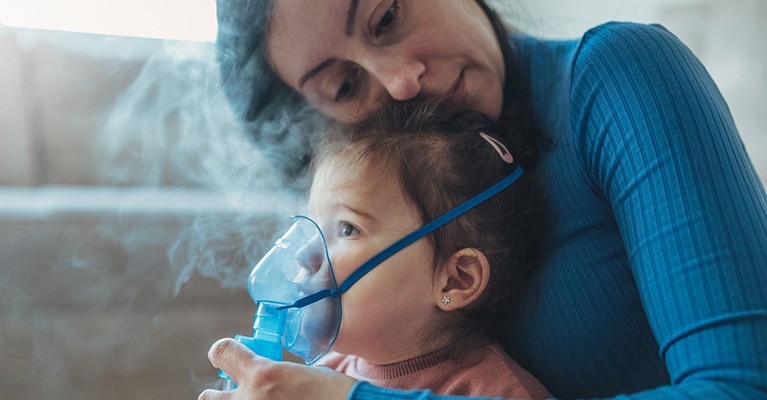

Kawasaki disease is an illness that affects mostly infants and young children under the age of five. Children over the age of eight are rarely affected. It's also known as Kawasaki syndrome or mucocutaneous lymph node syndrome. Kawasaki disease is a leading cause of heart disease in children in the United States today. The disease occurs more often among boys (over 60 percent of cases) and among those of Asian ancestry.
Kawasaki disease is a rare childhood illness in which large and small arteries become inflamed, and its exact cause is still unknown. Over 4,000 cases of Kawasaki Disease are diagnosed annually in the United States or about 15 out of 100,000 children under the age of five. When treated for Kawasaki disease, most affected children recover completely.
The question dates back to an outbreak in Colorado in 1982. Researchers published a study in the Lancet titled "Kawasaki Syndrome: Association With the Application of Rug Shampoo".
The investigators examined 23 children diagnosed with Kawasaki disease. Eleven children, or 48% of the cases, had been exposed to rug shampooing in the month preceding the onset of their illness. Among two comparison groups, the corresponding proportions were 10% and 11%.
These findings raised legitimate scientific questions, but an association does not establish causation. The studies examined relatively small groups of children, relied on reported exposure histories, and did not identify a specific chemical or other substance responsible for the illness.
Other investigations produced conflicting results. In a 1985 study of two Kawasaki disease clusters in New York and Michigan, none of the 11 children included in the case-control analysis had been exposed to shampooed carpets during the month before symptom onset. Another 1985 study examining a Kawasaki disease outbreak in Maryland found no statistically significant association between rug shampoo exposure and the illness. These findings did not support a consistent link between carpet cleaning and Kawasaki disease, although they could not establish the cause of the illness.
The evidence therefore remains inconclusive. The historical findings warrant acknowledgment, but they do not establish that professional carpet cleaning causes Kawasaki disease.
 Ask for Special Seasonal Offers
Parents do not need to avoid routine carpet maintenance solely because of the historical research on Kawasaki disease. No established evidence shows that professional carpet cleaning causes this illness. However, cleaning products and damp indoor surfaces deserve sensible precautions, particularly in homes with infants, toddlers, or children with asthma or chemical sensitivities.
The practical concern is exposure to cleaning-product ingredients, airborne irritants, and residual moisture. These issues are separate from the unproven hypothesis linking carpet cleaning to Kawasaki disease. For more information about how carpet cleanliness can affect the home environment, read our article on dirty carpets and health problems in Baltimore homes.
Professional carpet cleaners can assess the carpet fibers, select a compatible cleaning method, and extract excess moisture and cleaning solution. The actual procedure varies by equipment, carpet construction, soil level, and product instructions.
| Stage | Recommended Action | Purpose |
|---|---|---|
| Before cleaning | Ask about cleaning products. | Identify potential irritants. |
| During cleaning | Keep children away from the work area. | Reduce direct exposure. |
| After cleaning | Ventilate the room as appropriate. | Improve indoor air quality. |
| During drying | Keep children off damp carpet. | Avoid contact with wet fibers. |
| Before reuse | Follow product instructions and confirm the carpet is dry. | Reduce residue and moisture concerns. |
For readers who want to explore the subject further, the following medical and public-health resources provide useful background:
Regular carpet care can help remove accumulated dirt and particles from the home. For families with young children, the most useful approach is to select a suitable cleaning method, ask questions about the products being used, and allow sufficient time for the carpet to dry.
If you have questions about professional carpet cleaning for your household, contact Baltimore Carpet & Upholstery to discuss your carpet's condition and the cleaning options available.
There is no single laboratory test that confirms every case. Doctors evaluate the duration of fever, clinical signs, blood-test results, and other possible explanations. An echocardiogram may be used to assess the coronary arteries and heart function.
Some studies suggest that environmental factors may play a role in Kawasaki disease. However, researchers have not identified a specific trigger, and the cause of the disease remains unknown.
Kawasaki disease can damage the coronary arteries, and the risk of serious complications increases if the illness is not treated promptly. Children with suspected Kawasaki disease need urgent medical assessment rather than observation at home while waiting for symptoms to resolve.
Many children return to their usual activities after recovery, but the timing depends on their clinical condition and any remaining heart complications. Parents should follow the treating physician's advice.
A fever that lasts five days or longer is the classic starting point, usually joined by several other signs: a rash, red eyes, swollen lymph nodes in the neck, changes in the lips and mouth, and changes in the hands and feet. Not every child shows all of them. Do not wait for the full set of symptoms before calling.