Get in touch: 410-505-8079

A rug or upholstered piece rarely gives away every problem at first glance.
We have seen these problems on rug and upholstery cleaning jobs.
At Baltimore Carpet & Upholstery, we clean rugs, upholstery, and carpet for homes and businesses in Keswick and nearby Baltimore communities. If you are searching for rug or upholstery cleaning in Baltimore, the equipment is only one part of the job. Fiber, fabric, dye, foundation, fringe, cushion construction, soil, odor source, old treatments, and current condition all shape the cleaning choice.
A careful first look can prevent a small cleaning problem from becoming a permanent textile or furniture problem.
Replacing a rug is not always the best first move. A well-made wool, oriental, or specialty rug can still have plenty of useful life left after heavy soil, pet accidents, odors, or staining.
Condition, value, and the likely result should drive the decision to clean or replace a rug.
Professional Rug Cleaning Makes Sense When:
Replacement May Make More Sense When:
Cost deserves attention too. A quality rug can be expensive to replace, and some pieces have material, decorative, or sentimental value that makes professional cleaning worth considering first.
If you are unsure, our professional rug cleaners can examine the rug and explain what cleaning can realistically improve.
Two rugs can look equally dirty and still call for very different care. A synthetic area rug with ordinary traffic soil presents one set of concerns. A wool rug with unstable dye, cotton foundation material, old pet contamination, or fragile fringe presents another.
Our rug cleaners pay close attention to the clues that can change the job. Here are examples we have encountered in rug cleaning:
| Condition | What Happened | Why We Pay Attention |
|---|---|---|
| Color Bleeding | Red dye moved into lighter areas during wet cleaning. | Dye stability should be checked before heavy moisture exposure. |
| Wicking | An old pet stain resurfaced as the rug dried. | Deeper contamination can move upward as moisture leaves the rug. |
| Cellulosic Browning | Beige or brown discoloration developed on a cotton-backed rug. | Cotton foundation materials can react poorly to excess moisture and slow drying. |
| Backing Separation | Excess moisture weakened latex or adhesive-backed construction. | Rug construction can limit how much moisture is appropriate. |
| Shrinkage | Wool or cotton construction changed size after improper wet cleaning. | Natural fibers and foundation materials can react to excess moisture. |
| Fiber-Specific Cleaning | Silk required gentler treatment than synthetic fiber. | Chemistry, agitation, and moisture should match the fiber. |
That is why deep rug cleaning is not a contest to apply more water, more agitation, or stronger chemistry. A heavy cleaning approach can create trouble on a rug that needs restraint.
Some rugs can be cleaned at the customer's property. Others are better suited to off-site cleaning after we review the piece.
Our initial assessment tells us whether cleaning can be controlled safely in the home or calls for off-site handling. A rug with stable color and routine surface soil may be a candidate for on-site cleaning, while heavy contamination, moisture-sensitive construction, or drying concerns can make off-site cleaning the more appropriate route.
If off-site cleaning is selected, free pickup and delivery are included.
Ask why a rug is being cleaned on site or taken off site. Our area rug cleaning service will point to the fiber, construction, condition, or soil issue rather than a canned routine.
 Ask for Special Seasonal Offers
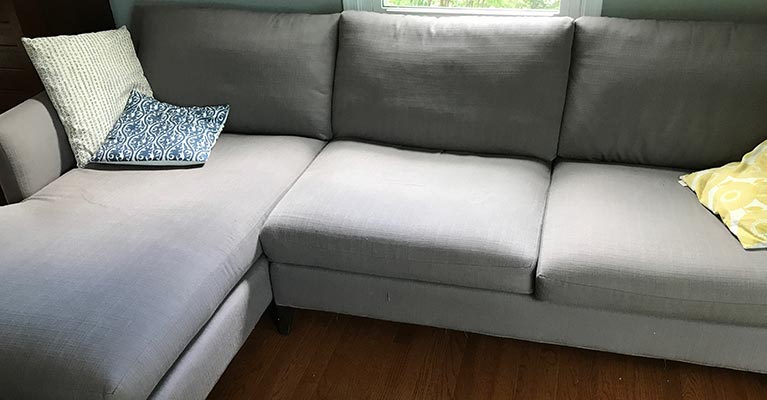
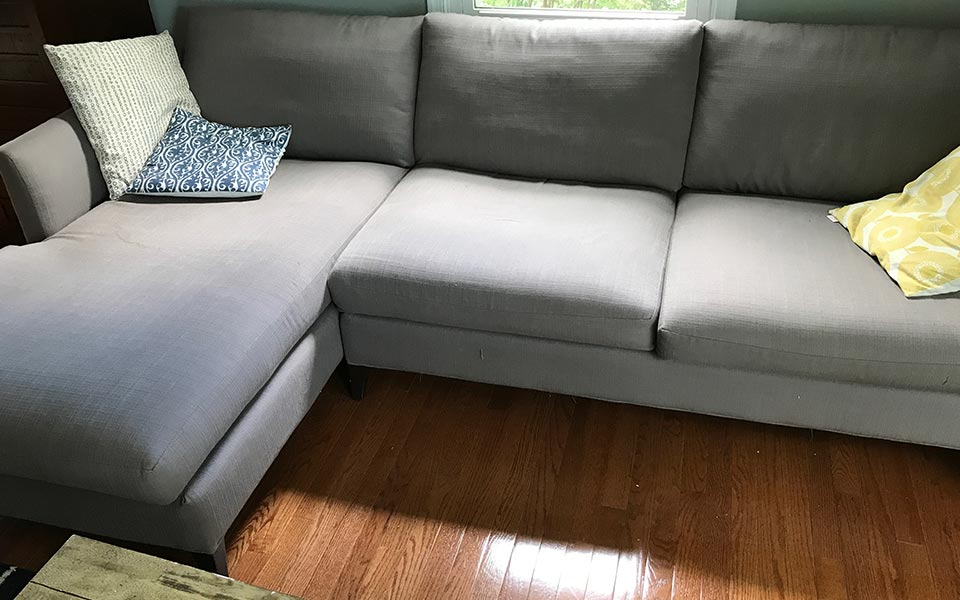
Rugs are not the only textiles in a Keswick home that collect soil, stains, odors, and residue. Sofas, chairs, cushions, and other upholstered pieces are exposed to daily use and can develop their own cleaning challenges.
A rug shares the room with upholstered furniture, yet those textiles are not interchangeable. Upholstery introduces its own concerns, including fabric type, weave, cushion construction, body-oil buildup, staining, and previous spot treatments.
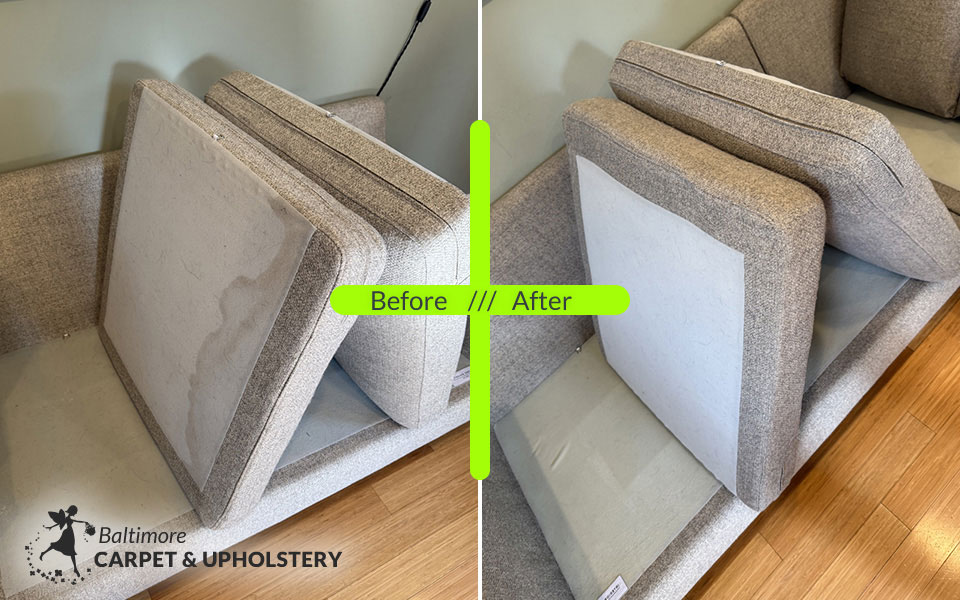
Upholstery Cleaning Helps With:
Upholstery cleaning does not mean every mark or change in the fabric can be completely reversed. Existing wear, permanent color change, or damage to the upholstery may limit what cleaning can improve. We explain what can realistically be addressed rather than treating every piece as though it has the same condition.
Two chairs can have similar-looking marks but still need different care because the fabrics and cushion materials underneath them are different.
Delicate fabrics generally require more controlled treatment than durable synthetic upholstery. Cushion construction also matters because moisture needs to be managed carefully to support proper drying and avoid leaving furniture unnecessarily damp.
Previous treatments can affect stain response as well, so information about spot cleaners or other products used on the furniture can be useful before cleaning begins.
Steam cleaning can be a practical choice for upholstery when the fabric and furniture construction can safely handle controlled moisture and extraction. It is particularly useful when the goal is to remove embedded soil rather than simply freshen the surface.
Steam cleaning works well when:
Steam cleaning is not automatically the right method for every upholstered piece. Delicate fabrics, moisture-sensitive materials, unstable dyes, or certain furniture constructions may call for a different approach.
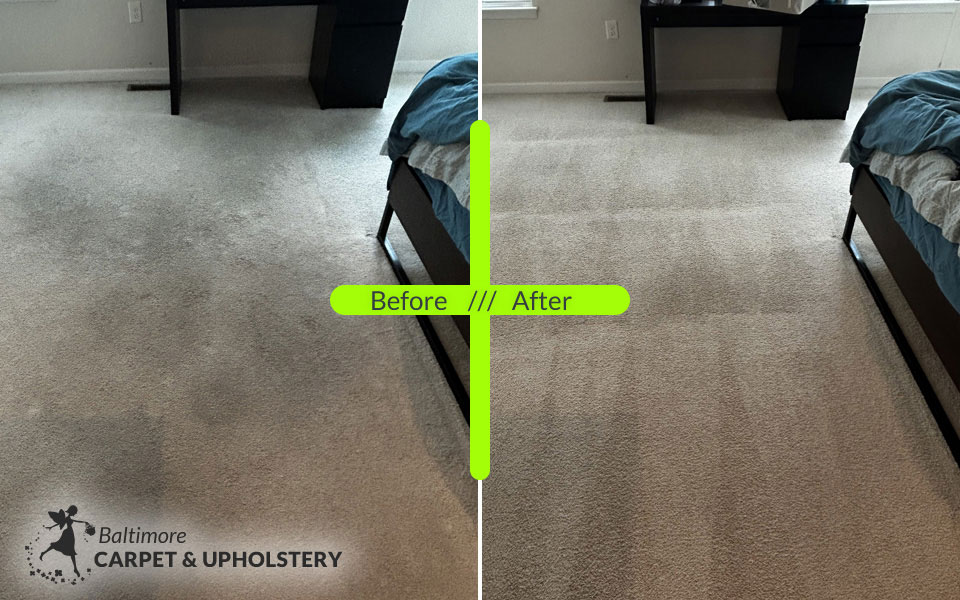
We also provide carpet cleaning for installed carpet, traffic lanes, spots, and routine soil accumulation. Installed carpet has its own construction and cleaning requirements.
Carpet is a related service, but the cleaning decisions for installed carpet remain separate from those for area rugs and upholstered furniture.
If your rug has traffic soil, stains, pet odors, dull fibers, or years of accumulated dirt, or your upholstered furniture has everyday buildup, spots, stains, or pet-related soil, contact Baltimore Carpet & Upholstery to discuss the next step.
Call 410-505-8079 or request an appointment online to schedule rug or upholstery cleaning.
Yes, please mention it. Old spot-cleaner residue can change stain response or the way a fiber or fabric reacts during professional cleaning. If you know the product name, share it when you book or at the appointment.
Wicking can carry contamination from deeper layers back toward the face as the rug dries. A returning spot can point to contamination below the visible fibers.
No. After the assessment, we recommend the setting that best protects the rug and explain the reason before scheduling. When off-site cleaning is recommended, pickup and delivery are included.
No. Rugs and upholstered furniture have different materials, construction, and cleaning considerations. We assess each piece before choosing the appropriate approach.