
Get in touch: 410-505-8079
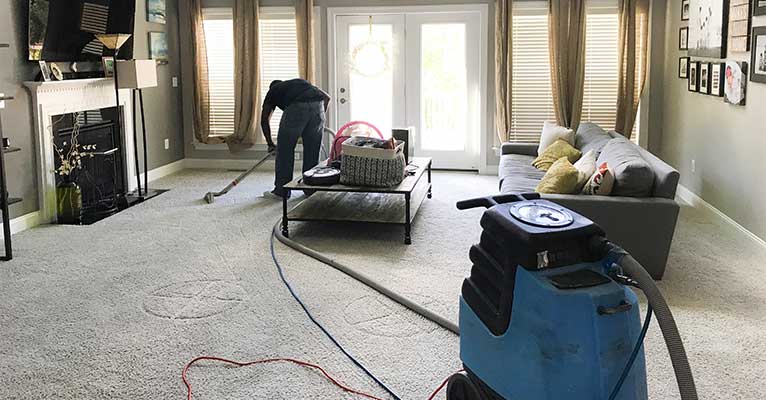

A three-story rowhouse near Locust Point is a good example of why choosing a carpet cleaner takes more than comparing room counts or starting prices.
The homeowner's request sounds small: three flights of stairs, two bedrooms, and a hallway. A room count gives one view of the job. The house gives another.
The stairs are narrow. The landings leave little room for equipment. The hallway has a dark strip running down its center. One bedroom has a persistent odor near a closet corner. Parking is on the street, and getting equipment inside requires working around a tight entry space.
Would you hire a cleaner based on a three-room price if the quote says nothing about those details?
Those details change the conversation.

A cleaner giving a price over the phone cannot see the condition of the carpet, the stair layout, the affected areas, or the access route. That's why we'd ask questions that reveal how a technician approaches the actual job, rather than questions designed to produce the lowest number.
The questions below come from situations our crew has encountered in Baltimore homes.
| Question | What We'd Want to Hear | What Would Concern Us |
|---|---|---|
| What exactly is included in the quote? | The quote identifies carpeted rooms, stairs, hallways, closets, stain treatment, furniture movement, and any minimum charge. | A low starting price with the scope left unclear until arrival. |
| Will someone inspect the carpet? | The technician wants to see the fiber, traffic areas, stains, previous cleaning attempts, and access conditions. | A firm promise about the result based on a phone description. |
| Why are you recommending this cleaning method? | The technician connects the method to the carpet, soil, fiber, and condition found during the inspection. | One process is presented as the answer for every home. |
| What can you realistically do about this stain? | The cleaner identifies what appears removable and what could be permanent discoloration or fiber damage. | A promise that every mark will disappear. |
| How do you approach pet-related odors? | The technician asks where the odor is located and explains what can be assessed during the visit. | A blanket promise that one cleaning will remove every odor. |
| What needs to be moved? | The cleaner explains what the homeowner should clear and what furniture the crew can move under its policy. | Preparation requirements remain unclear until the appointment starts. |
| How long should the carpet take to dry? | The technician gives a reasonable range and explains the conditions that can affect drying. | An exact drying time is promised before seeing the home. |
| Does access affect the job? | Stairs, parking, entry doors, landings, elevators, and equipment placement are discussed. | Nobody asks how the technician will reach the carpet. |
These questions reveal how much attention the cleaner gives to the actual home.
Our experience with Baltimore homes is one reason we'd ask for the scope of a quote in clear terms.
Three-room job can include a very different amount of work from one home to another. Three rooms on one floor with open access are one situation. Two bedrooms, a hallway, and three narrow flights of stairs are another. For a closer look at what homeowners typically pay, see our Baltimore carpet cleaning pricing guide.
We have seen that difference firsthand.
For a home with stairs, tight access, heavy traffic areas, or specific problem areas, we'd want the quote to identify those areas rather than reduce the entire job to a room count.

That gives the homeowner a clearer idea of what the technician is actually pricing.
 Ask for Special Seasonal Offers
If we were hiring a carpet cleaner ourselves, one question we'd ask is:
The answer tells us more than the name of the cleaning process.
Hot water extraction is a standard professional approach for residential carpets. The carpet's fiber, condition, soil, and site conditions still need to guide the cleaning decision.
We have seen enough carpet in Baltimore homes to know that one process does not tell the whole story. A technician should be able to explain why a particular approach fits the carpet being inspected.
Heavier soil does not automatically mean more water. A heavily trafficked hallway can require close attention to specific areas rather than treating every section of the room in exactly the same way.
The reasoning behind the method is what we'd want to be explained.
Previous DIY cleaning is another detail we ask about because we have encountered treated areas that looked different from the surrounding carpet.
A homeowner may remember using a store-bought spot cleaner months earlier. Residue from that product can remain in the carpet and affect how the area looks or responds during cleaning.
For that reason, we ask what product was used and where it was applied.
That information comes from actual jobs we've worked on, not a generic checklist. It gives the technician another piece of information about the carpet's history.
Pet odors require the same kind of inspection.
We have encountered homes where the homeowner knew the general location of an odor but could not identify exactly what was causing it. During these visits, our crew looks at several details:
Our experience has taught us to be careful with promises here. A responsible technician should explain what they see, what they can treat, and what result is realistic for that particular carpet.
We would question anyone promising that every stain will disappear.
Some marks respond well to professional carpet cleaning. Others involve conditions that cleaning cannot reverse:
We've encountered carpets where the homeowner expected a stain to disappear, yet the inspection showed that part of the discoloration was tied to fiber damage.
An honest conversation should cover:
An honest conversation should cover:
We would trust that answer more than a guarantee.
We would trust that answer more than a guarantee.
Our crew has seen a wide range of Baltimore-area homes, and each type can bring its own access considerations.
These observations come from our work in the Baltimore area. They reflect conditions our crew has seen in real homes, rather than a generic list of housing characteristics.
We've seen stains involving permanent discoloration, fiber damage, bleaching, wear, and previous chemical treatment. A phone description cannot reveal the full condition of a carpet.
Drying can change with the carpet, moisture level, airflow, room conditions, humidity, and cleaning process. A useful estimate needs to account for those conditions.
We've encountered pet-related odor situations with varying levels of severity. The affected area needs to be inspected, and the homeowner deserves a realistic explanation of the expected result.
If we were hiring a carpet cleaner for that Locust Point rowhouse, the biggest equipment name or lowest phone price would not be our main concern.
We'd look for a cleaner who:
Those are the details we'd use to judge the quality of the conversation before booking the job.
Most of all, we'd want the technician to separate a problem that can be cleaned from damage that cleaning cannot reverse.
That's the standard we'd use ourselves because it comes from what we've seen on Baltimore-area jobs.
If you're looking for carpet cleaning in Baltimore, MD, Baltimore Carpet & Upholstery serves homes across Baltimore and surrounding communities.
If your home has narrow stairs, heavy traffic areas, stains, pet-related odors, access restrictions, or previous DIY treatment, those details are worth discussing when you request an appointment.
Yes. A phone estimate may not account for stairs, access restrictions, carpet condition, or areas requiring additional treatment. An in-person inspection can clarify the actual scope.
A store-bought spot treatment can leave residue in the carpet. If a treated area keeps becoming visible again, tell the technician what product was used and where it was applied.
Not always. Cleaning can address soil and many stains, but bleaching, severe wear, melting, and fiber damage can remain after cleaning.
Three flights of narrow stairs can require a very different setup than three open rooms on one floor. Giving the cleaner that information early provides a more accurate description of the job.
Ask how the technician assesses the affected area, what conditions they look for, and what results they consider realistic after inspection.