Get in touch: 410-505-8079
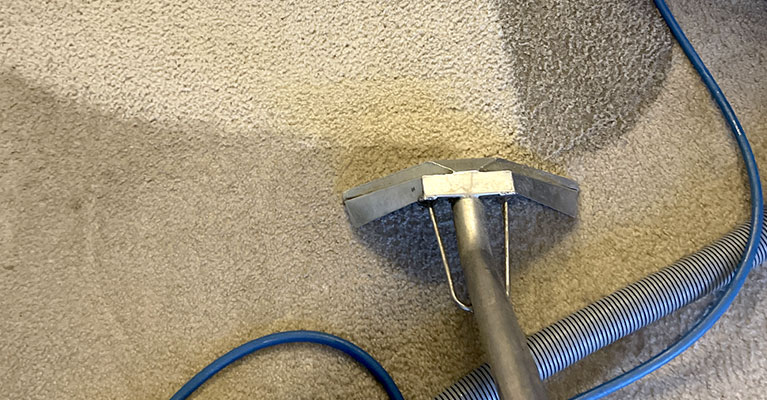

Should I rent a carpet cleaner or hire a professional?
It's a question many Baltimore homeowners ask after stains start showing up, traffic lanes become darker, or the carpet no longer looks as fresh as it once did.

A Baltimore homeowner recently shared a story we hear several times every year.
He rented a carpet cleaning machine on Friday afternoon, moved nearly every piece of furniture out of the living room, spent most of Saturday cleaning, and waited for the carpet to dry. By Sunday evening, it still felt damp in several places. The traffic lanes looked brighter at first, yet darker streaks slowly returned during the following week.
His first question wasn't about cleaning.
It was, "Did I waste my weekend?"
The answer wasn't as simple as yes or no.
Rental machines have their place.Professional carpet cleaning has its place too. The problem is that most comparisons stop at the rental price and the service price. They rarely look at everything that happens once the machine is switched off.
That's where the real cost begins.
Walking into a grocery store or home improvement center, it's easy to believe you've found a cheaper option. The machine rental looks affordable, and grabbing a bottle of cleaning solution doesn't seem like a major expense.
Then the day starts.
Furniture has to be moved.
The machine needs to fill every few minutes.
Dirty water has to be emptied repeatedly.
The heavier the carpet becomes with moisture, the slower the job moves.
Many homeowners expect to finish one or two rooms in the afternoon. Larger homes frequently stretch into an entire day. Add stairs, hallways, or several bedrooms, and what started as a quick project becomes a full weekend.
Then comes the waiting.
A rental machine sprays a surprising amount of water into the carpet. What many people don't notice is how much of that water stays there.
One family in Catonsville opened every window in the house after cleaning. Fans ran all night. The carpet looked dry the following morning, yet walking across the room with bare feet told a different story. Several areas still felt cool and damp nearly twenty-four hours later.
That's fairly common during Maryland's humid months.
Professional carpet cleaning begins long before any equipment enters the house.
Experienced technicians spend several minutes looking at the carpet itself.
Dark traffic lanes leading toward the kitchen tell one story.
Gray lines along baseboards tell another.
A hallway where every fiber leans in the same direction usually points to years of daily foot traffic. Black marks beside a favorite recliner can reveal shoes rubbing against the carpet every evening. A lighter patch beneath an area rug often reminds homeowners what the original carpet color actually looked like.
Those observations influence the cleaning process.
Some stains need additional dwell time.
Certain carpet fibers release soil quickly.
Others require more patience because aggressive cleaning can damage delicate yarns.
Rental machines treat every carpet exactly the same.
Professional technicians rarely do.
That difference becomes noticeable after the carpet dries.
| What Carpet Technicians Notice | What Homeowners Often Overlook |
|---|---|
| Dark traffic lanes reveal years of foot traffic | The carpet simply looks "dirty" |
| Gray lines along baseboards show accumulated filtration soil | The edges seem impossible to clean |
| Crushed carpet fibers indicate wear, not only soil | Vacuuming should make the carpet fluffy again |
| Black marks near recliners often come from shoes | The stain appeared for no obvious reason |
| Lighter areas under furniture show the carpet's original color | The rest of the room has naturally faded |
| Fiber type determines the safest cleaning method | All carpets can be cleaned the same way |
| Some stains need extra dwell time or specialty treatment | More detergent will solve the problem |
| Moisture left in the backing can cause wicking | The stain came back because the cleaning failed |
| Sticky detergent residue attracts new dirt | The carpet became dirty again unusually fast |
| Drying conditions affect the final result | Once the surface feels dry, the carpet is completely dry |
One homeowner in the Baltimore area couldn't understand why a coffee stain kept coming back.
She rented a machine twice.
Each time, the stain disappeared.
Each time, it returned several days later.
The carpet wasn't creating a new stain.
Moisture left deep inside the carpet dissolved old residue hiding near the backing. As everything dried, that residue slowly traveled upward and became visible again.
Many homeowners describe this as "the stain coming back."
Technicians usually call it wicking.
It's one of the most common service calls after DIY carpet cleaning.
The stain isn't sitting on the surface anymore. It's hiding beneath it.
Removing that moisture completely requires stronger extraction than most rental units can produce.
People often picture larger machines when they hear "professional carpet cleaning."
The equipment certainly plays a role, yet extraction is what changes the outcome.
Commercial systems recover far more water during cleaning.
That means carpets dry faster.
Cleaning solution doesn't remain trapped in the fibers.
Less residue stays behind to collect fresh dirt.
A Baltimore family with two Labrador retrievers recently noticed this difference immediately. They had rented machines for years because they believed frequent cleaning saved money.

The carpet always looked nice for several weeks.
Then the traffic lanes became darker again.
During their first professional cleaning, the technician showed them the recovery tank after finishing the family room. The water wasn't simply dark. Fine sand, pet hair, and gritty soil had settled at the bottom of the tank.
Most of it had survived multiple rental cleanings.
That surprised the homeowners far more than the appearance of the carpet itself.
The fibers stood taller, dried sooner, and stayed cleaner much longer than they expected.
The rental receipt rarely tells the whole story.
Imagine spending most of your Saturday cleaning three rooms. Sunday arrives, the carpet still feels damp, and everyone starts walking across it because life doesn't stop for wet floors. Dirt sticks to the fiber before the carpet is fully dried. A week later, the cleaned rooms don't look much cleaner than they did before.
Nothing broke.
Nobody used the machine incorrectly.
The equipment simply reached its limit.
We see that situation every year across Baltimore. Homeowners aren't disappointed because they rented a machine. They're disappointed because they invested an entire weekend and expected the results to last much longer.
The biggest hidden expenses usually include:
None of those costs appear in the rental advertisement.
Finished basements create one of the toughest environments for carpet cleaning.
Even during summer, these rooms stay cooler than the rest of the house. Air movement is limited, and humidity tends to linger. After a rental cleaning, moisture can remain trapped in the carpet pad far longer than homeowners expect.
One Baltimore County homeowner cleaned a basement playroom after a birthday party. Two days later, the carpet still smelled damp. The odor wasn't coming from spilled drinks or muddy shoes. Moisture had stayed beneath the carpet long enough for bacteria already living in the padding to become active.
Professional extraction removes considerably more water, shortening drying time and reducing that risk. Materials left wet longer than 24 hours create the conditions mold need to take hold.
Front entrances tell the story of every season.
Winter leaves behind road salt.
Spring tracks in pollen and damp soil.
Summer brings grass clippings and dust.
Autumn fills entryways with leaves and tiny bits of mulch.
Rental machines brighten these areas for a short time, yet heavily compacted soil deep inside the fibers usually remains. That's why many homeowners notice the same gray traffic lane returning within weeks.
Professional extraction removes much more of the grit buried below the surface.
That grit acts almost like fine sandpaper. Every step rubs those particles against the carpet fibers, gradually wearing them down.
Pet owners usually aren't cleaning visible dirt.
They're cleaning what they can't see.
Hair works its way into carpet backing. Accidents soak deeper than the surface. Even after a stain disappears, odor molecules may still remain below the fibers.
A family in Catonsville called us after cleaning the same room twice with a rental machine. The stain had faded, yet their dog kept returning to exactly the same spot.
The technician lifted a small corner of the carpet and found moisture still trapped underneath.
The carpet looked clean.
The padding told another story.
Saving money isn't always about paying the smallest invoice.
Imagine two neighbors.
One rents a machine every spring because the carpet starts looking dull again after several months.
The other schedules a professional deep cleaning every twelve to eighteen months and keeps up with regular vacuuming between visits.
Five years later, whose carpet still looks newer?
The answer depends on more than cleaning frequency.
Embedded soil slowly wears carpet fibers every day people walk across them. Removing that soil completely can help preserve the texture and appearance of the carpet for a longer period.
Replacing carpet across an entire first floor costs far more than periodic deep cleaning. Many homeowners reach this point and ask the same question, "What would professional carpet cleaning cost in my home?" We put together a 2026 Baltimore carpet cleaning pricing guide that explains what local homeowners typically pay and why the final estimate can change from one house to another.
Price is only one part of the decision. Many homeowners eventually start asking a bigger question, "Which option helps postpone carpet replacement?"
That question usually changes the conversation.
Renting a machine works well in many situations.
Freshening up a guest bedroom.
Cleaning after a small spill.
Removing light surface soil from carpet cleaned professionally within the past year.
Professional cleaning becomes the stronger investment when several rooms need attention, pet odors have settled into the carpet, heavy traffic has flattened the fibers, or years have passed since the last deep cleaning.
Neither option wins every time.
Each has a place.
Understanding what each method can realistically accomplish makes the decision much easier.
A carpet doesn't need to look heavily stained to hold years of dirt beneath the surface.
That's one reason homeowners are sometimes surprised after their first professional cleaning. The improvement isn't limited to appearance. Many notice softer fibers underfoot, faster drying, and carpets that stay cleaner much longer than they expected.
Rental machines continue to serve a purpose. They're useful for light maintenance and smaller projects.
Professional cleaning earns its value once deep soil, recurring stains, pet odors, or large areas enter the picture.
The least expensive decision isn't always the one with the lowest price today.
Sometimes it's the one that keeps your carpet looking good for several more years.
Every carpet has its own level of wear, soil, and staining. Baltimore Carpet & Upholstery provides professional carpet cleaning across Baltimore, leaving carpets cleaner, drier, and looking fresher for longer.
Renting is cheaper upfront. Professional carpet cleaning usually delivers deeper clean, faster drying, and longer-lasting results, making it the better value for many homes.
Yes, if it's used incorrectly. Too much water or detergent can leave residue behind, slow drying, and increase wear on carpet fibers.
Trapped moisture is the most common reason. Water left in the carpet padding can activate bacteria and lingering pet odors until the carpet dries completely.
The stain is likely wicked back to the surface. Moisture lifts residue from deep within the carpet as it dries, making the stain visible again.
Professional carpet cleaning typically dries within 6 to 12 hours. Rental machines usually leave more moisture behind, so drying can take a full day or longer.
Yes, for heavily used carpets. Homes with pets, children, stubborn stains, or years of embedded soil usually see better long-term value from professional cleaning.
 Ask for Special Seasonal Offers